 Elamur Locations
Balkh
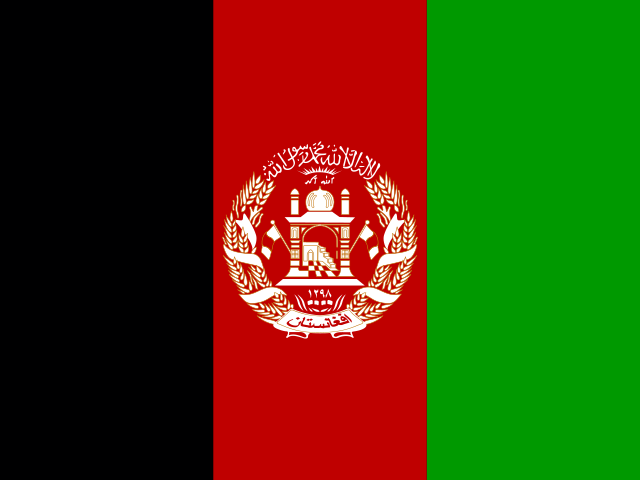 A settlement in Afghanistan; local name بلخ.
Forms of the name
- بلخ (official local form; used in ps, prs, Arabic, Persian, Urdu) — Official Pashto spelling, shared by Dari and by Arabic, Persian, and Urdu usage.
- Balkh (romanization, BGN/PCGN Pashto (1968); used in English, French, Luxembourgish, Italian, Galician, Swedish, Malay, Indonesian, Vietnamese, Danish, Norwegian (Bokmål), Finnish, Tagalog, Catalan, Croatian, Zulu, Xhosa, Swahili, Irish, Hausa, Yoruba, Welsh, Basque, Estonian, Icelandic, Maltese) — Standard geographical romanization with «kh» for «خ», also used in ALA-LC spelling and widely adopted internationally.
- Balḵ (romanization, Encyclopaedia Iranica transliteration; used in English) — Iranological spelling with an underlined «k» for «خ».
- Balḫ (romanization, DIN 31635 (1982); used in German) — Scholarly transliteration with «ḫ» for «خ», using the locally known short vowel.
- ባልኽ (exonym from Amharic; used in Amharic) — Amharic Ethiopic-script transcription of the local pronunciation.
- Bəlx (exonym from Azerbaijani; used in Azerbaijani) — Azerbaijani spelling with «x» for the final velar fricative.
- বাল্খ (exonym from Bengali; used in Bengali) — Bengali transcription with an explicit break between the final consonants.
- Balch (exonym from German; used in German, Dutch, Polish, Romanian, Czech, Slovak, English, French, Swedish) — German and several other European languages use «ch» for the final fricative. The spelling also occurs in older English and French sources.
- Μπαλχ (exonym from Greek; used in Greek) — Modern Greek transcription with «Μπ» for initial «b» and «χ» for the final fricative.
- Βάκτρα (exonym from Greek; used in grc, Greek) — Ancient Greek name of the city, a neuter plural traditionally used with «τὰ».
- Ζαρίασπα (exonym from Greek; used in grc, Greek) — Greek form of Zariaspa, an ancient name associated with the city in classical sources.
- Balj (exonym from Spanish; used in Spanish (Latin America), Spanish (Spain)) — Spanish adaptation uses «j» for the final fricative.
- બલ્ખ (exonym from Gujarati; used in Gujarati) — Gujarati-script transcription of the local name.
- בלח' (exonym from Hebrew; used in Hebrew) — Hebrew spelling uses «ח'» for the final fricative of the source name.
- बल्ख़ (exonym from Hindi; used in Hindi) — Hindi transcription uses the nuqta to distinguish the final fricative from aspirated «ख».
- Balh (exonym from Hungarian; used in Hungarian, Slovenian, Estonian, Finnish, Lithuanian, Spanish (Latin America), Spanish (Spain)) — Hungarian and Slovenian spelling with «h» for the final fricative, also attested in other European languages.
- Բալխ (exonym from Armenian; used in Armenian) — Armenian transcription of the local name with final «խ».
- バルフ (exonym from Japanese; used in Japanese) — Japanese katakana spelling of the modern name.
- バクトラ (exonym from Japanese; used in Japanese) — Japanese katakana spelling of the ancient name Bactra.
- ბალხი (exonym from Georgian; used in Georgian) — Georgian phonetic adaptation with a final nominative vowel.
- ಬಲ್ಖ್ (exonym from Kannada; used in Kannada) — Kannada-script transcription of the local name.
- 발흐 (exonym from Korean; used in Korean) — Korean Hangul spelling used for the modern town.
- 박트라 (exonym from Korean; used in Korean) — Korean transcription of ancient Bactra.
- Balchas (exonym from Lithuanian; used in Lithuanian) — Lithuanian adaptation with «ch» and a masculine nominative ending.
- Balha (exonym from Latvian; used in Latvian) — Latvian adaptation with «h» and a feminine nominative ending.
- ബൽഖ് (exonym from Malayalam; used in Malayalam) — Malayalam transcription of the modern name.
- ബാക്ട്ര (exonym from Malayalam; used in Malayalam) — Malayalam transcription of the ancient name Bactra.
- बल्ख (exonym from Marathi; used in Marathi, Nepali) — Devanagari transcription for Marathi and Nepali, using ordinary «ख» for the final sound.
- ବଲ୍ଖ୍ (exonym from Odia; used in Odia) — Odia-script transcription of the local name.
- ਬਲਖ਼ (exonym from Punjabi; used in Punjabi) — Punjabi Gurmukhi transcription with dotted «ਖ਼» for the final fricative.
- Bactro (exonym from Portuguese; used in Portuguese (Brazil), Portuguese (Portugal)) — Portuguese adaptation of the classical name, used as a headword for the city.
- Balque (exonym from Portuguese; used in Portuguese (Brazil), Portuguese (Portugal)) — Portuguese spelling based on the modern name with a final «que».
- Балх (exonym from Russian; used in Russian, Belarusian, Bulgarian, Kazakh, Serbian, Macedonian, Ukrainian, Kyrgyz) — Russian Cyrillic transcription with «х» for the final fricative, shared by several other Cyrillic-script languages.
- Бактра (exonym from Russian; used in Russian, Bulgarian) — Cyrillic spelling of the ancient name Bactra in Russian and Bulgarian usage.
- බල්ඛ් (exonym from Sinhala; used in Sinhala) — Sinhala-script transcription of the local name.
- பல்கு (exonym from Tamil; used in Tamil) — Tamil spelling used for the modern city in Tamil reference usage.
- బాల్ఖ్ (exonym from Telugu; used in Telugu) — Telugu spelling of the modern name used in the Telugu article title.
- บัลฆ์ (exonym from Thai; used in Thai) — Thai spelling of the modern name used in Thai reference usage.
- Belh (exonym from Turkish; used in Turkish, Albanian) — Traditional Turkish spelling from the regional name, also used in Albanian.
- Бәлех (exonym from Tatar; used in Tatar) — Tatar Cyrillic adaptation with «ә» and a vowel before final «х».
- Balx (exonym from Uzbek; used in Uzbek) — Co-official Uzbek form where Uzbek has regional official status in Afghanistan, with «x» for «خ».
- 巴尔赫 (exonym from Chinese; used in Chinese (Simplified)) — Modern Mandarin phonetic transcription in simplified characters.
- 巴爾赫 (exonym from Chinese; used in Chinese (Traditional)) — Traditional-character form of the modern Mandarin transcription.
- 巴克特拉 (exonym from Chinese; used in Chinese (Simplified), Chinese (Traditional)) — Chinese transcription of the ancient name Bactra.
- 八剌黑 (exonym from Chinese; used in Chinese (Simplified), Chinese (Traditional), Japanese) — Historical Chinese phonetic rendering of Balkh, also cited in Japanese.
- 縛喝國 (exonym from Chinese; used in Chinese (Traditional), lzh) — Traditional-character name for the country centered on Balkh in the seventh-century account of Xuanzang.
- 缚喝国 (exonym from Chinese; used in Chinese (Simplified)) — Simplified-character spelling of Xuanzang's name for the country centered on Balkh.
- Bactra (historical; used in Latin, English, Spanish (Latin America), Spanish (Spain), Italian, Swedish) — Latin form of the ancient Greek name of the Bactrian capital, still used in histories of antiquity.
- Baktra (historical; used in English, German, Czech, Lithuanian, Latvian, Dutch, Slovak, Swedish, Turkish) — Direct Latin-letter rendering of the ancient Greek name, used in several modern European languages.
- Zariaspa (historical; used in English, Spanish (Latin America), Spanish (Spain), Swedish) — Ancient name that classical writers associated with Bactra. Its identification with exactly the same site is uncertain.
- Bactras (variant; used in Spanish (Latin America), Spanish (Spain)) — Spanish rendering of the classical name used in historical writing.
- Bactres (variant; used in Spanish (Latin America), Spanish (Spain)) — Alternative Spanish rendering of the classical name.
- 발크 (variant; used in Korean) — Alternative Hangul approximation of the modern name.
- ബാൾഖ് (variant; used in Malayalam) — Alternative Malayalam spelling of the modern name.
- பால்க் (variant; used in Tamil) — Alternative Tamil spelling of the modern name.
- బల్ఖ్ (variant; used in Telugu) — Telugu spelling with a short first vowel.
- Balık (variant; used in Turkish) — Alternative Turkish spelling recorded alongside «Belh».
- أم البلاد (variant; used in Arabic) — Arabic honorific meaning Mother of the Cities, traditionally applied to Balkh.
- Umm al-Bilad (variant; used in English) — Romanized form of the traditional Arabic honorific.
- Umm Al-Belaad (variant; used in English) — Alternative English-language spelling of the Arabic honorific.
- Mother of All Cities (variant; used in English) — English rendering of the traditional Arabic honorific.
- उम्म अल-बिलाद (variant; used in Hindi) — Hindi transcription of the traditional Arabic honorific.
Names in 79 languages
| Language | Name | Notes |
|---|---|---|
| English (en) | Balkh | The usual romanization writes «kh» for «خ». «Bactra» is used in accounts of antiquity. |
| Spanish (Latin America) (es-419) | Balj | Spanish spells the final fricative with «j». «Bactra», «Bactras», and «Bactres» are classical forms. |
| Spanish (Spain) (es-ES) | Balj | Same as es-419. |
| German (de) | Balch | The German transcription uses «ch» for «خ» and normally takes no article. «Baktra» is the ancient city. |
| Luxembourgish (lb) | Balkh | Latin-script transcription follows the international spelling with «kh». |
| French (fr) | Balkh | French generally uses the international spelling without an article. «Balch» is an older alternative. |
| Japanese (ja) | バルフ | Katakana transcription of the modern name. «バクトラ» represents ancient Bactra. |
| Chinese (Simplified) (zh-CN) | 巴尔赫 | The modern Mandarin transcription is written in simplified characters. «巴克特拉» refers to ancient Bactra. |
| Chinese (Traditional) (zh-TW) | 巴爾赫 | The modern Mandarin transcription uses traditional «爾». «巴克特拉» refers to ancient Bactra. |
| Russian (ru) | Балх | The masculine Cyrillic transcription uses «х» for the final fricative. «Бактра» is the ancient city. |
| Arabic (ar) | بلخ | Arabic shares the local spelling and uses it without «al-». «أم البلاد» is an honorific. |
| Italian (it) | Balkh | Same as English. |
| Portuguese (Brazil) (pt-BR) | Bactro | The Portuguese reference form adapts classical Bactra as masculine «Bactro». «Balque» reflects the modern name. |
| Portuguese (Portugal) (pt-PT) | Bactro | Same as pt-BR. |
| Galician (gl) | Balkh | Latin-script transcription follows the international spelling with «kh». |
| Korean (ko) | 발흐 | Hangul transcription of the modern name. «박트라» represents ancient Bactra and «발크» is an alternative modern spelling. |
| Hindi (hi) | बल्ख़ | Hindi Devanagari transcription uses «ख़» for the final fricative. |
| Urdu (ur) | بلخ | Urdu retains the local Perso-Arabic spelling. |
| Turkish (tr) | Belh | Traditional Turkish spelling. «Baktra» refers to the ancient city. |
| Dutch (nl) | Balch | Dutch has «ch» for the final fricative. «Balkh» also occurs as an international spelling. |
| Afrikaans (af) | Balkh | Latin-script transcription follows the international spelling with «kh». |
| Polish (pl) | Balch | Polish spells the final fricative «ch» and treats the name as masculine. |
| Swedish (sv) | Balkh | Same as English. |
| Malay (ms) | Balkh | Malay uses the international romanization for the city. «Daerah Balkh» identifies the district. |
| Indonesian (id) | Balkh | Same as English. |
| Bengali (bn) | বাল্খ | Bengali-script transcription with an explicit break before the final consonant. |
| Vietnamese (vi) | Balkh | Vietnamese uses the international romanization for the city. «Quận Balkh» identifies the district. |
| Thai (th) | บัลฆ์ | Thai transcription uses a silencing mark on the final written consonant. |
| Romanian (ro) | Balch | Romanian reference usage has the traditional spelling with final «ch». |
| Czech (cs) | Balch | Czech uses masculine «Balch» for the modern city and «Baktra» for the ancient city. |
| Danish (da) | Balkh | Same as English. |
| Norwegian (Bokmål) (nb) | Balkh | Same as English. |
| Hebrew (he) | בלח' | Hebrew transcription writes the final fricative as «ח'». |
| Greek (el) | Μπαλχ | Modern Greek transcription, normally with neuter «το». «Βάκτρα» and «Ζαρίασπα» occur in classical contexts. |
| Hungarian (hu) | Balh | Hungarian spelling uses «h» for the final fricative. |
| Finnish (fi) | Balkh | Finnish uses the international romanization. «Balh» is an alternative. |
| Ukrainian (uk) | Балх | Ukrainian Cyrillic transcription uses final «х» and is masculine. |
| Persian (fa) | بلخ | Persian shares the spelling used in Afghan Dari. «بلخ باستان» refers to ancient Balkh. |
| Tamil (ta) | பல்கு | Tamil-script transcription used in the reference title. «பால்க்» is an alternative spelling. |
| Tagalog (tl) | Balkh | Latin-script transcription follows the international spelling with «kh». |
| Telugu (te) | బాల్ఖ్ | Telugu transcription with a long first vowel. «బల్ఖ్» also occurs. |
| Marathi (mr) | बल्ख | Marathi Devanagari transcription approximates the final fricative with «ख». |
| Catalan (ca) | Balkh | Catalan retains the international romanization, normally without an article. |
| Kazakh (kk) | Балх | Kazakh uses the Cyrillic spelling shared with Russian. |
| Croatian (hr) | Balkh | Latin-script transcription follows the international spelling with «kh». |
| Serbian (sr) | Балх | Serbian writes the final fricative as Cyrillic «х» and treats the name as masculine. |
| Slovak (sk) | Balch | Slovak uses masculine «Balch» for the modern city and «Baktra» for the ancient city. |
| Bulgarian (bg) | Балх | Bulgarian uses «х» for the final fricative. «Бактра» is the classical name. |
| Macedonian (mk) | Балх | Macedonian Cyrillic transcription uses «х» for the final fricative. |
| Azerbaijani (az) | Bəlx | Azerbaijani adapts the vowel with «ə» and writes the final fricative as «x». |
| Gujarati (gu) | બલ્ખ | Gujarati-script transcription of the local pronunciation. |
| Punjabi (pa) | ਬਲਖ਼ | Punjabi Gurmukhi transcription uses «ਖ਼» for the final fricative. |
| Malayalam (ml) | ബൽഖ് | Malayalam transcription of the modern name. «ബാക്ട്ര» refers to ancient Bactra. |
| Kannada (kn) | ಬಲ್ಖ್ | Kannada-script transcription of the local pronunciation. |
| Uzbek (uz) | Balx | The Uzbek Latin spelling writes the final fricative as «x». |
| Zulu (zu) | Balkh | Latin-script transcription follows the international spelling with «kh». |
| Xhosa (xh) | Balkh | Latin-script transcription follows the international spelling with «kh». |
| Sinhala (si) | බල්ඛ් | Sinhala-script transcription approximates the final fricative with «ඛ්». |
| Albanian (sq) | Belh | Albanian uses the spelling shared with Turkish. «Belh» is the bare form. |
| Lithuanian (lt) | Balchas | Lithuanian transcription with the masculine ending «-as». «Baktra» refers to the ancient city. |
| Slovenian (sl) | Balh | The Slovenian reference title uses «h» for the final fricative. «Balkh» also occurs as the international romanization. |
| Swahili (sw) | Balkh | Latin-script transcription follows the international spelling with «kh». |
| Odia (or) | ବଲ୍ଖ୍ | Odia-script transcription of the local pronunciation. |
| Irish (ga) | Balkh | Latin-script transcription follows the international spelling with «kh». |
| Hausa (ha) | Balkh | Hausa retains the international Latin spelling. |
| Yoruba (yo) | Balkh | Latin-script transcription follows the international spelling with «kh». |
| Armenian (hy) | Բալխ | Armenian transcription uses «խ» for the final fricative. |
| Amharic (am) | ባልኽ | Amharic transcription in Ethiopic script uses «ኽ» to approximate the final fricative. |
| Welsh (cy) | Balkh | Welsh uses the international romanization. «Balk» also occurs. |
| Latvian (lv) | Balha | Latvian adaptation with the feminine ending «-a». «Baktra» is the ancient name. |
| Tatar (tt) | Бәлех | Tatar Cyrillic adaptation inserts a vowel before the final fricative. |
| Nepali (ne) | बल्ख | Nepali Devanagari transcription approximates the final fricative with «ख». |
| Georgian (ka) | ბალხი | Georgian phonetic transcription adds the nominative ending «-ი». |
| Belarusian (be) | Балх | Belarusian Cyrillic spelling shares the Russian form. |
| Basque (eu) | Balkh | Basque retains the international romanization. |
| Estonian (et) | Balkh | Estonian uses the international romanization. «Balh» is an alternative. |
| Icelandic (is) | Balkh | Latin-script transcription follows the international spelling with «kh». |
| Maltese (mt) | Balkh | Maltese retains the international romanization. |
| Kyrgyz (ky) | Балх | Kyrgyz Cyrillic transcription follows the Russian spelling. |
About
Balkh is a city in northern Afghanistan, west of Mazar-e Sharif in Balkh Province. It stands at the site of ancient Bactra, a major center of Bactria and a later hub of Buddhist and Islamic learning.
Notes
Some labels describe the surrounding district. Classical authors associate Zariaspa with Bactra, though the exact relationship between the names and sites is uncertain.
Identifiers: Wikidata Q182159 · JSON
This page as Markdown: https://md.locations.elamur.ai/free/en/afghanistan/balkh/