 Elamur Locations
Constantine
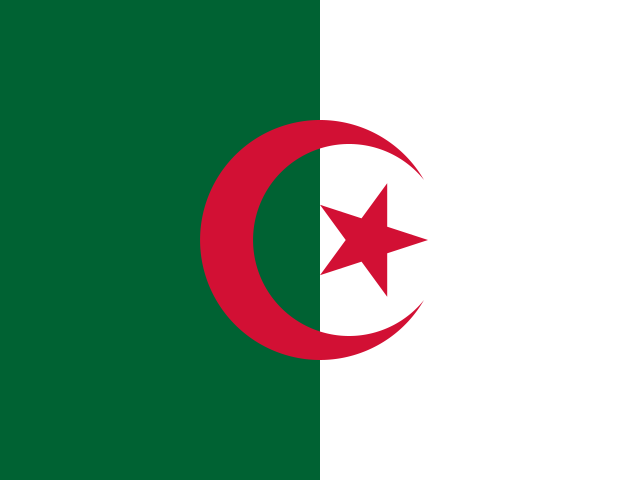 A settlement in Algeria; local name قسنطينة.
Forms of the name
- قسنطينة (official local form; used in Arabic, Serbian) — Official Arabic name of the Algerian city.
- Qusanţīnah (romanization, BGN/PCGN Arabic (1956); used in English) — Systematic rendering with ţ for emphatic t, a macron for long i and final h for ta marbuta.
- Qusanṭīnah (romanization, ALA-LC Arabic (2012); used in English, Slovenian) — Library of Congress rendering with a dot below the emphatic t, a macron for long i and final h.
- Qusanṭīna (romanization, DIN 31635 (1982); used in German) — German scholarly rendering with dotted ṭ and macron ī, and final a for the independent feminine ending.
- ኮንስታንቲን (exonym from Amharic; used in Amharic) — Amharic fidäl transcription of the European form with a final consonant.
- Qüsəntinə (exonym from Azerbaijani; used in Azerbaijani) — Azerbaijani adaptation of the Arabic name, attested alongside the European-derived form.
- Канстанціна (exonym from Belarusian; used in Belarusian) — Belarusian adaptation using standard Belarusian vowel and consonant spelling.
- Канстантына (exonym from Belarusian; used in Belarusian) — Belarusian variant in the classical Taraškievica orthography.
- Константин (exonym from Bulgarian; used in Bulgarian, Macedonian, Serbian) — Cyrillic adaptation with a final consonant, shared by Bulgarian, Macedonian and Serbian.
- কাসানতিনা (exonym from Bengali; used in Bengali) — Arabic-derived Bengali rendering used in the Bengali article title.
- কন্সটান্টিন (exonym from Bengali; used in Bengali) — Bengali spelling derived from the international European name.
- Ksantína (exonym from Czech; used in Czech) — Czech alternative approximating the local Arabic pronunciation.
- Κωνσταντίνη (exonym from Greek; used in Greek) — Conventional Greek name, with a feminine ending and spelling associated with the name Constantine.
- Κονσταντίν (exonym from Greek; used in Greek) — Greek phonetic alternative reflecting the international name.
- Konstantina (exonym from Basque; used in Basque, Lithuanian, Latvian) — Adapted form with k and final a, shared by Basque, Lithuanian and Latvian.
- قسنطینه (exonym from Persian; used in Persian) — Persian spelling of the Arabic name, with Persian heh in place of Arabic ta marbuta.
- Constantine (exonym from French; used in French, English, German, Luxembourgish, Afrikaans, Czech, Welsh, Danish, Spanish (Latin America), Spanish (Spain), Estonian, Finnish, Irish, Croatian, Icelandic, Italian, Malay, Maltese, Norwegian (Bokmål), Dutch, Portuguese (Brazil), Portuguese (Portugal), Romanian, Slovak, Slovenian, Albanian, Swedish, Swahili, Tagalog, Vietnamese, Zulu, Xhosa, Yoruba) — Conventional French spelling used in Algeria and widely adopted internationally.
- કોન્સ્ટેન્ટાઇન (exonym from Gujarati; used in Gujarati) — Gujarati transcription following the English pronunciation.
- Kusantina (exonym from Hausa; used in Hausa) — Hausa adaptation of the Arabic name with k for qaf.
- קונסטנטין (exonym from Hebrew; used in Hebrew) — Hebrew transcription of the international European form.
- कॉन्स्टेंटाइन (exonym from Hindi; used in Hindi) — Hindi rendering following the English pronunciation.
- क़ुसंतीना (exonym from Hindi; used in Hindi) — Hindi alternative derived from Arabic, with a dotted letter for qaf.
- कांस्टैंटाइन (exonym from Hindi; used in Hindi) — English-based Hindi alternative used in the article title before the geographic qualifier.
- Kaszentína (exonym from Hungarian; used in Hungarian) — Hungarian adaptation derived from the Arabic name.
- Կոնստանտինա (exonym from Armenian; used in Armenian) — Conventional Armenian form with final a.
- Konstantin (exonym from Indonesian; used in Indonesian, Azerbaijani, Turkish, Swedish, Serbian) — Adapted European form with k and a final consonant, used in Indonesian, Azerbaijani and Turkish and also attested in Swedish and Serbian Latin script.
- Konstantinus (exonym from Indonesian; used in Indonesian) — Latinizing alternative attested as an Indonesian label.
- Costantina (exonym from Italian; used in Italian) — Traditional Italian adaptation with a feminine ending and the Italian stem used in «Costantino».
- コンスタンティーヌ (exonym from Japanese; used in Japanese) — Usual Japanese katakana rendering of the French name.
- コンスタンチーヌ (exonym from Japanese; used in Japanese) — Japanese variant with the syllable chi in place of the ti combination.
- コンスタンティンヌ (exonym from Japanese; used in Japanese) — Japanese variant with an added nasal before the final syllable.
- კონსტანტინა (exonym from Georgian; used in Georgian) — Georgian phonetic transcription of the European form ending in a.
- Qacentina (exonym from kab; used in kab, French, Norwegian (Bokmål)) — Kabyle Tamazight spelling in the Latin alphabet, also cited in French and Norwegian. Tamazight is co-official in Algeria.
- ಕಾನ್ಸ್ಟಂಟೈನ್ (exonym from Kannada; used in Kannada) — Kannada transcription following the English pronunciation.
- 콩스탕틴 (exonym from Korean; used in Korean) — Usual Korean Hangul rendering based on French.
- 콩스탕탱 (exonym from Korean; used in Korean) — Korean alternative using a syllable ending in ng for the last French nasal vowel.
- 콘스탄틴 (exonym from Korean; used in Korean) — Korean variant closer to the consonant and vowel sequence of the European spelling.
- 쿠산티나 (exonym from Korean; used in Korean) — Korean alternative based on the Arabic name.
- Constantina (exonym from Latin; used in Latin, Spanish (Latin America), Spanish (Spain), Catalan, Galician, Portuguese (Brazil), Portuguese (Portugal), Romanian) — Latin form honoring Constantine, also used as the adapted city name in Spanish, Catalan, Galician, Portuguese and Romanian.
- കോൺസ്റ്റന്റൈൻ (exonym from Malayalam; used in Malayalam) — Malayalam phonetic transcription following the English pronunciation.
- कॉन्सटॅटीन (exonym from Marathi; used in Marathi) — Marathi Devanagari rendering attested in the place label.
- कन्स्टन्टिन (exonym from Nepali; used in Nepali) — Nepali Devanagari transcription of the European form with a final consonant.
- କନଷ୍ଟାଣ୍ଟାଇନ (exonym from Odia; used in Odia) — Odia transcription following the English pronunciation.
- ਕੌਂਸਟੈਂਟਾਈਨ (exonym from Punjabi; used in Punjabi) — Punjabi Gurmukhi transcription following the English pronunciation.
- Konstantyna (exonym from Polish; used in Polish) — Conventional Polish exonym with feminine final a.
- Kasantina (exonym from Polish; used in Polish) — Alternative Polish spelling based on the Arabic name.
- Константина (exonym from Russian; used in Russian, Kazakh, Kyrgyz, Tatar) — Traditional Russian adaptation with feminine final a, also used in Kazakh and Kyrgyz and suitable for transcription in Tatar Cyrillic.
- කොන්ස්ටන්ටයින් (exonym from Sinhala; used in Sinhala) — Sinhala transcription following the English pronunciation.
- கான்ஸ்டன்டைன் (exonym from Tamil; used in Tamil) — Tamil transcription following the English pronunciation.
- కాన్స్టాంటైన్ (exonym from Telugu; used in Telugu) — Telugu transcription following the English pronunciation.
- กงส์ต็องตีน (exonym from Thai; used in Thai) — Thai rendering of the French pronunciation.
- Kostantine (exonym from Turkish; used in Turkish) — Alternative Turkish spelling attested as a place label.
- Константіна (exonym from Ukrainian; used in Ukrainian) — Traditional Ukrainian adaptation with і and feminine final a.
- قسنطینہ (exonym from Urdu; used in Urdu) — Urdu adaptation of the Arabic city name using Urdu final heh.
- Qusantina (exonym from Uzbek; used in Uzbek, German) — Undiacritized Arabic-derived spelling used in Uzbek and also attested in German.
- 君士坦丁 (exonym from Chinese; used in Chinese (Simplified), Chinese (Traditional)) — Conventional Chinese name using the same characters as a traditional rendering of the emperor's name.
- 康斯坦丁 (exonym from Chinese; used in Chinese (Simplified), Chinese (Traditional)) — Alternative Chinese phonetic rendering of the international name.
- 康士坦丁 (exonym from Chinese; used in Chinese (Traditional)) — Attested traditional-character alternative to the usual Chinese name.
- Cirta (historical; used in Latin, English, French, Spanish (Latin America), Spanish (Spain), Italian, Lithuanian, Dutch) — Numidian and Roman name of the ancient city. It took Constantine's name after rebuilding in the early fourth century.
- سيرتا (historical; used in Arabic) — Arabic rendering of the ancient name Cirta.
- Цирта (historical; used in Russian) — Russian rendering of the ancient name Cirta.
- Constantina Algerii (variant; used in Latin) — Latin form with a geographic qualifier specifying Algeria.
- Qusantinah (variant; used in Lithuanian, Portuguese (Brazil), Portuguese (Portugal)) — Arabic-derived Latin spelling that drops the transliteration diacritics and retains final h.
- البلاد (variant; used in Arabic) — Colloquial Arabic local name meaning the town or the country.
Names in 79 languages
| Language | Name | Notes |
|---|---|---|
| English (en) | Constantine | English uses the French spelling with an anglicized pronunciation. «Cirta» is the ancient name. |
| Spanish (Latin America) (es-419) | Constantina | The adapted Spanish name ends in feminine a. «Cirta» is the ancient name. |
| Spanish (Spain) (es-ES) | Constantina | Same as es-419. |
| German (de) | Constantine | The conventional French spelling normally takes no article. The Arabic-derived «Qusantina» also occurs. |
| Luxembourgish (lb) | Constantine | Uses the conventional French spelling. |
| French (fr) | Constantine | This is the conventional spelling in French, including Algerian French, and it normally takes no article. «Cirta» is the ancient name. |
| Japanese (ja) | コンスタンティーヌ | The usual katakana rendering is based on the French name. Variants with «チ» or an additional nasal also occur. |
| Chinese (Simplified) (zh-CN) | 君士坦丁 | The conventional Chinese name also serves as a rendering of the emperor's name. «康斯坦丁» is an alternative. |
| Chinese (Traditional) (zh-TW) | 君士坦丁 | The conventional spelling uses the same characters as zh-CN. «康士坦丁» is another attested traditional-character form. |
| Russian (ru) | Константина | The traditional Russian exonym is feminine. «Цирта» refers to the ancient city. |
| Arabic (ar) | قسنطينة | The official Arabic name is feminine and has no definite article. «سيرتا» is the ancient name in Arabic. |
| Italian (it) | Costantina | The traditional Italian form is feminine. The French spelling «Constantine» also occurs. |
| Portuguese (Brazil) (pt-BR) | Constantina | The usual Portuguese form is feminine and ends in a. «Constantine» and the Arabic-derived «Qusantinah» also occur. |
| Portuguese (Portugal) (pt-PT) | Constantina | Same as pt-BR. |
| Galician (gl) | Constantina | Same as es-419. |
| Korean (ko) | 콩스탕틴 | The usual Hangul form is based on French. «쿠산티나» is Arabic-derived. |
| Hindi (hi) | कॉन्स्टेंटाइन | The Devanagari form follows English pronunciation. «क़ुसंतीना» follows Arabic. |
| Urdu (ur) | قسنطینہ | Uses the Arabic-derived name with Urdu final heh. |
| Turkish (tr) | Konstantin | The Turkish form adapts the European name with k. «Kostantine» is also attested. |
| Dutch (nl) | Constantine | Dutch retains the French spelling. «Cirta» is the ancient name. |
| Afrikaans (af) | Constantine | Same as Luxembourgish. |
| Polish (pl) | Konstantyna | The traditional Polish exonym is feminine. «Kasantina» is an Arabic-derived alternative. |
| Swedish (sv) | Constantine | The French spelling is usual. The adapted «Konstantin» also occurs. |
| Malay (ms) | Constantine | Malay Rumi usage retains the international spelling. A country qualifier is sometimes added for clarity. |
| Indonesian (id) | Konstantin | The Indonesian article uses the k spelling with a final consonant. «Konstantinus» is also attested as a label. |
| Bengali (bn) | কাসানতিনা | The Bengali article uses an Arabic-derived spelling. «কন্সটান্টিন» follows the European name. |
| Vietnamese (vi) | Constantine | Same as Luxembourgish. |
| Thai (th) | กงส์ต็องตีน | The Thai spelling transcribes the French pronunciation using Thai consonant and vowel conventions. |
| Romanian (ro) | Constantina | Romanian commonly uses the feminine form with final a. The French spelling «Constantine» also occurs. |
| Czech (cs) | Constantine | Czech usually retains the French spelling. «Ksantína» is an Arabic-derived alternative. |
| Danish (da) | Constantine | Same as Luxembourgish. |
| Norwegian (Bokmål) (nb) | Constantine | The French spelling is usual. «Qacentina» also occurs when the Kabyle name is cited. |
| Hebrew (he) | קונסטנטין | The Hebrew form transcribes the European name without an article. |
| Greek (el) | Κωνσταντίνη | The established Greek form is feminine and takes «η» where an article is used. «Κονσταντίν» is a phonetic alternative. |
| Hungarian (hu) | Kaszentína | Hungarian adapts the Arabic name with «sz» for the s sound and an acute accent on «í». |
| Finnish (fi) | Constantine | Same as Luxembourgish. |
| Ukrainian (uk) | Константіна | The established Ukrainian form is feminine and uses «і» in the last stem syllable. |
| Persian (fa) | قسنطینه | The Persian form follows the Algerian Arabic name and writes its ending with Persian heh. |
| Tamil (ta) | கான்ஸ்டன்டைன் | This Tamil transcription follows the English pronunciation with final «டைன்». |
| Tagalog (tl) | Constantine | Uses the conventional Latin-script rendering of the French name. |
| Telugu (te) | కాన్స్టాంటైన్ | The Telugu form transcribes the English pronunciation with final «టైన్». |
| Marathi (mr) | कॉन्सटॅटीन | This attested Marathi form renders the European name in Devanagari, with a long final i vowel. |
| Catalan (ca) | Constantina | Same as es-419. |
| Kazakh (kk) | Константина | Kazakh Cyrillic uses the Russian-derived spelling. «Қала» may be added as a geographic qualifier meaning city. |
| Croatian (hr) | Constantine | Same as tl. |
| Serbian (sr) | Константин | The Serbian Cyrillic form is masculine. The corresponding Serbian Latin form is «Konstantin». |
| Slovak (sk) | Constantine | Same as Luxembourgish. |
| Bulgarian (bg) | Константин | The masculine Bulgarian form adapts the European name with a final consonant. |
| Macedonian (mk) | Константин | Same as Bulgarian. |
| Azerbaijani (az) | Konstantin | The customary Azerbaijani form adapts the European spelling. «Qüsəntinə» follows the Arabic name. |
| Gujarati (gu) | કોન્સ્ટેન્ટાઇન | This Gujarati transcription follows the English pronunciation with a final ai vowel. |
| Punjabi (pa) | ਕੌਂਸਟੈਂਟਾਈਨ | Gurmukhi transcription following the English pronunciation, with written vowel nasalization. |
| Malayalam (ml) | കോൺസ്റ്റന്റൈൻ | Malayalam transcription following the English pronunciation, with a final n written as a chillu. |
| Kannada (kn) | ಕಾನ್ಸ್ಟಂಟೈನ್ | The Kannada transcription follows the English pronunciation and marks the final consonant. |
| Uzbek (uz) | Qusantina | Uzbek Latin spelling follows the Arabic name, retaining q and writing the ending as a. |
| Zulu (zu) | Constantine | Same as tl. |
| Xhosa (xh) | Constantine | Same as tl. |
| Sinhala (si) | කොන්ස්ටන්ටයින් | The Sinhala transcription follows the English pronunciation and marks the final consonant. |
| Albanian (sq) | Constantine | Same as tl. |
| Lithuanian (lt) | Konstantina | The Lithuanian form uses k and a feminine nominative ending. «Cirta» denotes the ancient city. |
| Slovenian (sl) | Constantine | Slovenian usually retains the French spelling. The Arabic name may also be transliterated as «Qusanṭīnah». |
| Swahili (sw) | Constantine | Same as Luxembourgish. |
| Odia (or) | କନଷ୍ଟାଣ୍ଟାଇନ | Odia transcription following the English pronunciation, including its final diphthong. |
| Irish (ga) | Constantine | Same as Luxembourgish. |
| Hausa (ha) | Kusantina | This Hausa adaptation follows the Arabic name with k for qaf. |
| Yoruba (yo) | Constantine | Same as tl. |
| Armenian (hy) | Կոնստանտինա | The Armenian adaptation follows the European form with final a. |
| Amharic (am) | ኮንስታንቲን | Amharic fidäl transcription of the European form «Konstantin». |
| Welsh (cy) | Constantine | Same as Luxembourgish. |
| Latvian (lv) | Konstantina | The Latvian adaptation uses k and a feminine ending. |
| Tatar (tt) | Константина | Tatar Cyrillic transcription following the Russian form. |
| Nepali (ne) | कन्स्टन्टिन | Nepali Devanagari transcription following the European form «Konstantin». |
| Georgian (ka) | კონსტანტინა | Georgian transcription following the European form «Konstantina». |
| Belarusian (be) | Канстанціна | The standard Belarusian form is feminine. «Канстантына» is the classical-orthography spelling. |
| Basque (eu) | Konstantina | The Basque adaptation uses k and final a. |
| Estonian (et) | Constantine | Same as Luxembourgish. |
| Icelandic (is) | Constantine | Same as tl. |
| Maltese (mt) | Constantine | Maltese retains the French spelling and can add «l-Alġerija» as a country qualifier. |
| Kyrgyz (ky) | Константина | Kyrgyz Cyrillic uses the Russian-derived spelling. «Шаары» can follow it to specify the city. |
About
Constantine is a city in northeastern Algeria, built around a rocky plateau above the Rhumel River gorge. Bridges connect districts on opposite sides of the ravine. In antiquity it was known as Cirta, a major city of Numidia.
Notes
Some editions add a country or settlement-type qualifier for disambiguation. The Amharic, Georgian, Malayalam, Nepali, Odia, Punjabi and Tatar forms are transcriptions with limited evidence of established usage.
Identifiers: Wikidata Q187346 · JSON
This page as Markdown: https://md.locations.elamur.ai/free/en/algeria/constantine/