 Elamur Locations
Collegno
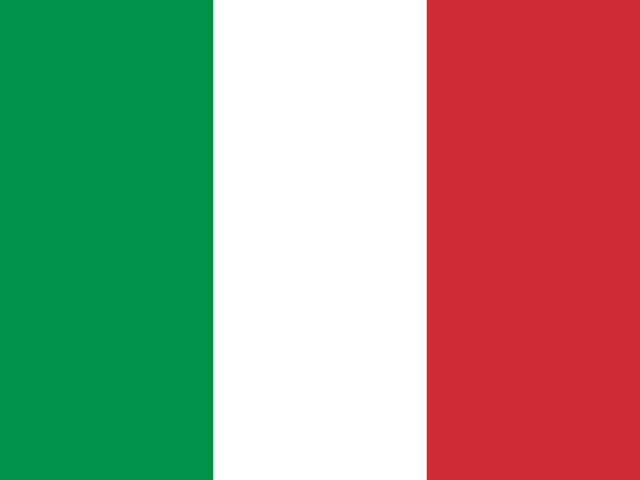 A settlement in Italy.
Forms of the name
- Collegno (official local form; used in Italian, English, Spanish (Latin America), Spanish (Spain), German, Luxembourgish, French, Portuguese (Brazil), Portuguese (Portugal), Galician, Turkish, Dutch, Afrikaans, Polish, Swedish, Malay, Indonesian, Vietnamese, Romanian, Czech, Danish, Norwegian (Bokmål), Hungarian, Finnish, Tagalog, Catalan, Croatian, Slovak, Uzbek, Zulu, Xhosa, Albanian, Slovenian, Swahili, Irish, Hausa, Yoruba, Welsh, Basque, Estonian, Icelandic, Maltese) — Official Italian spelling, retained by many other languages. Italian «gn» represents a palatal nasal.
- ኮሌኞ (exonym from Amharic; used in Amharic) — Amharic phonetic transcription in Ethiopic script uses «ኞ» for Italian «gno».
- كولينيو (exonym from Arabic; used in Arabic) — The attested Arabic transcription uses «ني» to approximate Italian «gn».
- Kollenyo (exonym from Azerbaijani; used in Azerbaijani) — The Azerbaijani adaptation uses «ny» for Italian «gn» and preserves the doubled «l».
- Каленья (exonym from Belarusian; used in Belarusian) — The attested standard Belarusian adaptation uses «нь» for the Italian palatal nasal and ends in «я».
- Каленьнё (exonym from Belarusian; used in Belarusian) — The recorded Belarusian Taraškievica spelling uses «ньнё» to approximate Italian «gno».
- Коленьо (exonym from Bulgarian; used in Bulgarian) — Bulgarian transcription uses one «л» and «ньо» for Italian «gno».
- কোল্লেনিও (exonym from Bengali; used in Bengali) — Bengali phonetic transcription approximates the Italian palatal nasal with «নি».
- Κολλένιο (exonym from Greek; used in Greek) — The Greek adaptation retains doubled «λ» and uses «νι» for the Italian palatal nasal.
- کولنیو (exonym from Persian; used in Persian) — The attested Persian transcription uses «نی» to approximate Italian «gn».
- કોલ્લેન્યો (exonym from Gujarati; used in Gujarati) — Gujarati phonetic transcription approximates the Italian palatal nasal with «ન્ય».
- קולניו (exonym from Hebrew; used in Hebrew) — Hebrew phonetic transcription approximates the Italian palatal nasal with «ני».
- कोल्लेन्यो (exonym from Hindi; used in Hindi, Marathi, Nepali) — Devanagari phonetic transcription preserves doubled «ल» and approximates Italian «gn» with «न्य».
- Կոլենիո (exonym from Armenian; used in Armenian) — The Armenian encyclopedia title uses «նի» to approximate Italian «gn».
- Կոլենո (exonym from Armenian; used in Armenian) — The alternate Armenian label represents the Italian palatal nasal with plain «ն».
- コッレーニョ (exonym from Japanese; used in Japanese) — Katakana transcription uses small «ッ» before «レ» and «ニョ» for Italian «gno».
- კოლენიო (exonym from Georgian; used in Georgian) — The Georgian transcription uses «ნი» to approximate the Italian palatal nasal.
- ಕೊಲ್ಲೆನ್ಯೊ (exonym from Kannada; used in Kannada) — Kannada phonetic transcription approximates Italian «gn» with «ನ್ಯ».
- 콜레뇨 (exonym from Korean; used in Korean) — The attested Hangul transcription uses «뇨» for Italian «gno».
- Collegium (exonym from Latin; used in Latin) — The Latin form is attested in the Latin encyclopedia title and label.
- Kolenjas (exonym from Lithuanian; used in Lithuanian) — The Lithuanian adaptation represents the palatal nasal with «nj» and adds masculine «-as».
- Kollenjo (exonym from Latvian; used in Latvian) — The Latvian adaptation preserves doubled «l» and writes «nj» for the palatal nasal.
- കൊല്ലെന്യോ (exonym from Malayalam; used in Malayalam) — Malayalam phonetic transcription approximates Italian «gn» with «ന്യ».
- କୋଲ୍ଲେନ୍ୟୋ (exonym from Odia; used in Odia) — Odia phonetic transcription approximates Italian «gn» with «ନ୍ୟ».
- ਕੋੱਲੇਨਿਓ (exonym from Punjabi; used in Punjabi) — Punjabi phonetic transcription in Gurmukhi uses an addak to mark the doubled «l».
- Colegn (exonym from pms; used in pms) — The local Piedmontese name uses Piedmontese spelling.
- Колленьо (exonym from Russian; used in Russian, Ukrainian, Kazakh, Tatar, Kyrgyz) — The Russian transcription retains doubled «л» and uses «ньо» for Italian «gno». The spelling is shared by several other Cyrillic languages.
- කොල්ලෙන්යෝ (exonym from Sinhala; used in Sinhala) — Sinhala phonetic transcription uses «න්ය» to approximate the Italian palatal nasal.
- Колењо (exonym from Serbian; used in Serbian, Macedonian) — Serbian and Macedonian Cyrillic transcriptions use «њ» for Italian «gn».
- கொல்லென்யோ (exonym from Tamil; used in Tamil) — Tamil phonetic transcription uses «ன்ய» to approximate the Italian palatal nasal.
- కొల్లెన్యో (exonym from Telugu; used in Telugu) — Telugu phonetic transcription uses «న్య» to approximate the Italian palatal nasal.
- กอลเลญโญ (exonym from Thai; used in Thai) — Thai phonetic transcription uses «ญ» to approximate the Italian palatal nasal.
- کولینو (exonym from Urdu; used in Urdu) — The attested Urdu transcription approximates the Italian palatal nasal with «ن».
- 科莱尼奥 (exonym from Chinese; used in Chinese (Simplified)) — The attested Simplified Chinese phonetic transcription of the Italian name.
- 科萊尼奧 (exonym from Chinese; used in Chinese (Traditional)) — Traditional Chinese character rendering of the same phonetic transcription.
Names in 79 languages
| Language | Name | Notes |
|---|---|---|
| English (en) | Collegno | Retains the official Italian spelling. |
| Spanish (Latin America) (es-419) | Collegno | Same as English. |
| Spanish (Spain) (es-ES) | Collegno | Same as es-419. |
| German (de) | Collegno | Retains the Italian spelling and ordinarily takes no article. |
| Luxembourgish (lb) | Collegno | Same as English. |
| French (fr) | Collegno | Retains the Italian spelling and ordinarily takes no article. |
| Japanese (ja) | コッレーニョ | Katakana transcription uses «ニョ» for the Italian ending and small «ッ» before «レ». |
| Chinese (Simplified) (zh-CN) | 科莱尼奥 | The attested Simplified Chinese phonetic transcription of the Italian name. |
| Chinese (Traditional) (zh-TW) | 科萊尼奧 | Uses the same phonetic transcription as zh-CN in Traditional characters. |
| Russian (ru) | Колленьо | Russian transcription preserves doubled «л» and renders Italian «gno» as «ньо». |
| Arabic (ar) | كولينيو | Arabic phonetic transcription of the Italian name, without a definite article. |
| Italian (it) | Collegno | The official Italian name ordinarily takes no article. The digraph «gn» represents a palatal nasal. |
| Portuguese (Brazil) (pt-BR) | Collegno | Same as English. |
| Portuguese (Portugal) (pt-PT) | Collegno | Same as pt-BR. |
| Galician (gl) | Collegno | Same as English. |
| Korean (ko) | 콜레뇨 | The attested Hangul transcription uses «뇨» for Italian «gno». |
| Hindi (hi) | कोल्लेन्यो | Hindi Devanagari phonetic transcription of the Italian name, with «न्य» approximating «gn». |
| Urdu (ur) | کولینو | The attested Urdu transcription approximates Italian «gn» with «ن». |
| Turkish (tr) | Collegno | Same as English. |
| Dutch (nl) | Collegno | Same as English. |
| Afrikaans (af) | Collegno | Same as English. |
| Polish (pl) | Collegno | Same as English. |
| Swedish (sv) | Collegno | Same as English. |
| Malay (ms) | Collegno | Same as English. |
| Indonesian (id) | Collegno | Same as English. |
| Bengali (bn) | কোল্লেনিও | Bengali phonetic transcription from Italian, using «নি» to approximate «gn». |
| Vietnamese (vi) | Collegno | Same as English. |
| Thai (th) | กอลเลญโญ | Thai phonetic transcription from Italian, using «ญ» to approximate the palatal nasal. |
| Romanian (ro) | Collegno | Same as English. |
| Czech (cs) | Collegno | Same as English. |
| Danish (da) | Collegno | Same as English. |
| Norwegian (Bokmål) (nb) | Collegno | Same as English. |
| Hebrew (he) | קולניו | Hebrew phonetic transcription uses «ני» for Italian «gn» and takes no definite article. |
| Greek (el) | Κολλένιο | Greek transcription retains doubled «λ» and uses «νι» for Italian «gn». |
| Hungarian (hu) | Collegno | Same as English. |
| Finnish (fi) | Collegno | Same as English. |
| Ukrainian (uk) | Колленьо | Ukrainian transcription preserves doubled «л» and renders Italian «gno» as «ньо». |
| Persian (fa) | کولنیو | Persian transcription approximates Italian «gn» with «نی». |
| Tamil (ta) | கொல்லென்யோ | Tamil phonetic transcription uses «ன்ய» to approximate Italian «gn». |
| Tagalog (tl) | Collegno | Same as English. |
| Telugu (te) | కొల్లెన్యో | Telugu phonetic transcription uses «న్య» to approximate Italian «gn». |
| Marathi (mr) | कोल्लेन्यो | Marathi Devanagari phonetic transcription of the Italian name, coinciding with Hindi. |
| Catalan (ca) | Collegno | Same as English. |
| Kazakh (kk) | Колленьо | The attested Kazakh Cyrillic form follows the Russian spelling. |
| Croatian (hr) | Collegno | Same as English. |
| Serbian (sr) | Колењо | Serbian Cyrillic transcription uses «њ» for Italian «gn». |
| Slovak (sk) | Collegno | Same as English. |
| Bulgarian (bg) | Коленьо | Bulgarian transcription uses one «л» and «ньо» for Italian «gno». |
| Macedonian (mk) | Колењо | Same as Serbian. |
| Azerbaijani (az) | Kollenyo | The Azerbaijani adaptation retains doubled «l» and uses «ny» for the Italian palatal nasal. |
| Gujarati (gu) | કોલ્લેન્યો | Gujarati phonetic transcription uses «ન્ય» to approximate Italian «gn». |
| Punjabi (pa) | ਕੋੱਲੇਨਿਓ | Punjabi phonetic transcription in Gurmukhi marks the Italian doubled «l» with an addak. |
| Malayalam (ml) | കൊല്ലെന്യോ | Malayalam phonetic transcription uses «ന്യ» to approximate Italian «gn». |
| Kannada (kn) | ಕೊಲ್ಲೆನ್ಯೊ | Kannada phonetic transcription uses «ನ್ಯ» to approximate Italian «gn». |
| Uzbek (uz) | Collegno | Same as English. |
| Zulu (zu) | Collegno | Same as English. |
| Xhosa (xh) | Collegno | Same as English. |
| Sinhala (si) | කොල්ලෙන්යෝ | Sinhala phonetic transcription uses «න්ය» to approximate Italian «gn». |
| Albanian (sq) | Collegno | Same as English. |
| Lithuanian (lt) | Kolenjas | Lithuanian uses «nj» for the Italian palatal nasal and adds the masculine ending «-as». |
| Slovenian (sl) | Collegno | Same as English. |
| Swahili (sw) | Collegno | Same as English. |
| Odia (or) | କୋଲ୍ଲେନ୍ୟୋ | Odia phonetic transcription uses «ନ୍ୟ» to approximate Italian «gn». |
| Irish (ga) | Collegno | Same as English. |
| Hausa (ha) | Collegno | Same as English. |
| Yoruba (yo) | Collegno | Same as English. |
| Armenian (hy) | Կոլենիո | The Armenian article title uses «նի» to approximate Italian «gn». The alternate «Կոլենո» uses «ն». |
| Amharic (am) | ኮሌኞ | Amharic phonetic transcription in Ethiopic script uses «ኞ» for Italian «gno». |
| Welsh (cy) | Collegno | Same as English. |
| Latvian (lv) | Kollenjo | Latvian retains the doubled «l» and represents the Italian palatal nasal with «nj». |
| Tatar (tt) | Колленьо | The attested Tatar Cyrillic form follows the Russian spelling. |
| Nepali (ne) | कोल्लेन्यो | Nepali Devanagari phonetic transcription of the Italian name, coinciding with Hindi. |
| Georgian (ka) | კოლენიო | Georgian transcription uses «ნი» to approximate the Italian palatal nasal. |
| Belarusian (be) | Каленья | Uses the attested standard Belarusian adaptation. Taraškievica usage has «Каленьнё». |
| Basque (eu) | Collegno | Same as English. |
| Estonian (et) | Collegno | Same as English. |
| Icelandic (is) | Collegno | Same as English. |
| Maltese (mt) | Collegno | Same as English. |
| Kyrgyz (ky) | Колленьо | Kyrgyz Cyrillic transcription follows the Russian spelling of the Italian name. |
About
Collegno is a city on the Dora Riparia immediately west of Turin in Piedmont, Italy. Its historic Certosa Reale was founded as a Carthusian monastery and later housed a psychiatric hospital.
Notes
For languages with sparse evidence, the table gives the Italian spelling or a phonetic transcription of it. The traditional local Piedmontese name is «Colegn».
Identifiers: Wikidata Q9311 · JSON
This page in Markdown https://md.locations.elamur.ai/free/en/italy/collegno/