 Elamur Locations
Oliva
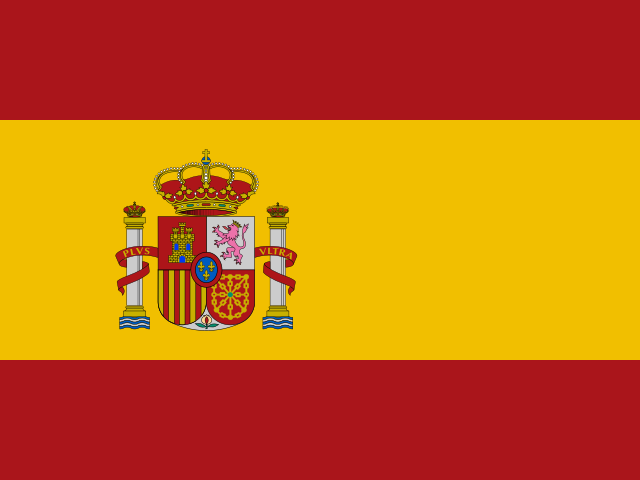 A settlement in Spain.
Forms of the name
- Oliva (official local form; used in English, Spanish (Latin America), Spanish (Spain), German, Luxembourgish, French, Italian, Portuguese (Brazil), Portuguese (Portugal), Galician, Turkish, Dutch, Afrikaans, Polish, Swedish, Malay, Indonesian, Vietnamese, Romanian, Czech, Danish, Norwegian (Bokmål), Hungarian, Finnish, Tagalog, Catalan, Croatian, Slovak, Azerbaijani, Uzbek, Zulu, Xhosa, Albanian, Lithuanian, Slovenian, Swahili, Irish, Hausa, Yoruba, Welsh, Latvian, Basque, Estonian, Icelandic, Maltese) — Spanish and Valencian share the same official spelling. It is also retained in many Latin-script languages.
- ኦሊቫ (exonym from Amharic; used in Amharic) — Amharic transcription in Ethiopic script.
- أوليبة (exonym from Arabic; used in Arabic) — Documented Arabic spelling with bāʾ and final tāʾ marbūṭa.
- أوليفا (exonym from Arabic; used in Arabic) — Alternative Arabic rendering with fāʾ for written «v» and alif for final «a».
- Аліва (exonym from Belarusian; used in Belarusian) — Belarusian transcription with initial akanye and soft «л» before «і».
- অলিভা (exonym from Bengali; used in Bengali) — Bengali transcription of the Latin-script spelling.
- Ολίβα (exonym from Greek; used in Greek) — Greek transcription using beta for written «v» and marking stress on «λί».
- اولیوا (exonym from Persian; used in Persian) — Persian transcription using vāv for written «v».
- ઓલિવા (exonym from Gujarati; used in Gujarati) — Gujarati transcription of the Latin-script spelling.
- אוליבה (exonym from Hebrew; used in Hebrew) — Hebrew transcription with bet for the medial consonant and he for final «a».
- ओलिवा (exonym from Hindi; used in Hindi, Marathi, Nepali) — Devanagari transcription of the Latin-script spelling, shared by Hindi, Marathi and Nepali.
- Օլիվա (exonym from Armenian; used in Armenian) — Armenian transcription of the Latin-script spelling.
- オリヴァ (exonym from Japanese; used in Japanese) — Documented katakana spelling using «ヴァ» for written «va».
- オリバ (exonym from Japanese; used in Japanese) — Alternative katakana spelling using «バ», which also approximates the Spanish consonant.
- ოლივა (exonym from Georgian; used in Georgian) — Georgian transcription of the Latin-script spelling.
- ಒಲಿವಾ (exonym from Kannada; used in Kannada) — Kannada transcription of the Latin-script spelling.
- 올리바 (exonym from Korean; used in Korean) — Documented Hangul transcription using «바» for Spanish «va».
- ഒലിവ (exonym from Malayalam; used in Malayalam) — Malayalam transcription of the Latin-script spelling.
- ଓଲିଭା (exonym from Odia; used in Odia) — Odia transcription of the Latin-script spelling.
- ਓਲਿਵਾ (exonym from Punjabi; used in Punjabi) — Punjabi transcription in Gurmukhi.
- Олива (exonym from Russian; used in Russian, Kazakh, Serbian, Bulgarian, Macedonian, Tatar, Kyrgyz) — Documented Russian Cyrillic spelling, also used in Tatar and suitable under neighboring Cyrillic transcription conventions.
- ඔලිවා (exonym from Sinhala; used in Sinhala) — Sinhala transcription of the Latin-script spelling.
- ஒலிவா (exonym from Tamil; used in Tamil) — Tamil transcription of the Latin-script spelling.
- ఒలివా (exonym from Telugu; used in Telugu) — Telugu transcription of the Latin-script spelling.
- โอลิบา (exonym from Thai; used in Thai) — Thai transcription using «บ» for the Spanish consonant written «v».
- Оліва (exonym from Ukrainian; used in Ukrainian) — Documented Ukrainian rendering with «і» for the stressed vowel.
- اولیو (exonym from Urdu; used in Urdu) — Documented Urdu spelling ending in vāv.
- 奥利瓦 (exonym from Chinese (Simplified); used in Chinese (Simplified)) — Documented Simplified Chinese phonetic rendering.
- 奧利瓦 (exonym from Chinese (Traditional); used in Chinese (Traditional)) — Traditional Chinese counterpart of the same phonetic rendering.
Names in 79 languages
| Language | Name | Notes |
|---|---|---|
| English (en) | Oliva | Retains the shared Spanish and Valencian spelling, normally without an article. |
| Spanish (Latin America) (es-419) | Oliva | The official Spanish name is normally used without an article. |
| Spanish (Spain) (es-ES) | Oliva | Same as es-419. |
| German (de) | Oliva | Keeps the local spelling and normally takes no article. |
| Luxembourgish (lb) | Oliva | Same as English. |
| French (fr) | Oliva | Keeps the local spelling and normally takes no article. |
| Japanese (ja) | オリヴァ | Katakana transcription with «ヴァ» for written «va». The alternative «オリバ» follows the Spanish pronunciation more closely. |
| Chinese (Simplified) (zh-CN) | 奥利瓦 | Phonetic transcription in Simplified Chinese characters. |
| Chinese (Traditional) (zh-TW) | 奧利瓦 | Traditional Chinese uses «奧» where Simplified Chinese uses «奥». |
| Russian (ru) | Олива | Established Russian Cyrillic spelling. |
| Arabic (ar) | أوليبة | The documented Arabic form ends in tāʾ marbūṭa and takes no article. «أوليفا» is another spelling. |
| Italian (it) | Oliva | Same as English. |
| Portuguese (Brazil) (pt-BR) | Oliva | Keeps the local spelling and normally takes no article. |
| Portuguese (Portugal) (pt-PT) | Oliva | Same as pt-BR. |
| Galician (gl) | Oliva | Same as English. |
| Korean (ko) | 올리바 | Hangul transcription with «바» for Spanish «va». |
| Hindi (hi) | ओलिवा | Devanagari transcription following the Spanish spelling. |
| Urdu (ur) | اولیو | Documented Urdu form, written with final vāv. |
| Turkish (tr) | Oliva | Same as English. |
| Dutch (nl) | Oliva | Same as English. |
| Afrikaans (af) | Oliva | The Latin-script transcription retains the Spanish spelling. |
| Polish (pl) | Oliva | Same as English. |
| Swedish (sv) | Oliva | Same as English. |
| Malay (ms) | Oliva | Same as English. |
| Indonesian (id) | Oliva | The Latin-script transcription retains the Spanish spelling. |
| Bengali (bn) | অলিভা | Bengali transcription following the Spanish spelling. |
| Vietnamese (vi) | Oliva | The Latin-script transcription retains the Spanish spelling. |
| Thai (th) | โอลิบา | Thai transcription of the Spanish pronunciation uses «บ» for written «v». |
| Romanian (ro) | Oliva | Keeps the local spelling. The regional qualifier in the article title distinguishes it from other places. |
| Czech (cs) | Oliva | The Latin-script transcription retains the Spanish spelling. |
| Danish (da) | Oliva | Same as English. |
| Norwegian (Bokmål) (nb) | Oliva | Same as English. |
| Hebrew (he) | אוליבה | Hebrew transcription uses bet for the medial consonant and he for final «a». |
| Greek (el) | Ολίβα | Greek transcription follows the Spanish spelling and places the accent on the second syllable. |
| Hungarian (hu) | Oliva | Same as English. |
| Finnish (fi) | Oliva | The Latin-script transcription retains the Spanish spelling. |
| Ukrainian (uk) | Оліва | Documented Ukrainian transcription with «і» in the second syllable. |
| Persian (fa) | اولیوا | Persian transcription uses vāv for the consonant written «v». |
| Tamil (ta) | ஒலிவா | Tamil transcription following the Spanish spelling. |
| Tagalog (tl) | Oliva | The Latin-script transcription retains the Spanish spelling. |
| Telugu (te) | ఒలివా | Telugu transcription following the Spanish spelling. |
| Marathi (mr) | ओलिवा | Same as Hindi. |
| Catalan (ca) | Oliva | The official Valencian spelling is normally used without an article. |
| Kazakh (kk) | Олива | Kazakh Cyrillic transcription follows the documented Russian spelling. |
| Croatian (hr) | Oliva | The Latin-script transcription retains the Spanish spelling. |
| Serbian (sr) | Олива | The Serbian article uses this Cyrillic transcription and adds a regional qualifier. |
| Slovak (sk) | Oliva | The Latin-script transcription retains the Spanish spelling. |
| Bulgarian (bg) | Олива | Bulgarian Cyrillic transcription following the Spanish spelling. |
| Macedonian (mk) | Олива | Macedonian Cyrillic transcription following the Spanish spelling. |
| Azerbaijani (az) | Oliva | The Latin-script transcription retains the Spanish spelling. |
| Gujarati (gu) | ઓલિવા | Gujarati transcription following the Spanish spelling. |
| Punjabi (pa) | ਓਲਿਵਾ | Gurmukhi transcription following the Spanish spelling. |
| Malayalam (ml) | ഒലിവ | Malayalam transcription following the Spanish spelling. |
| Kannada (kn) | ಒಲಿವಾ | Kannada transcription following the Spanish spelling. |
| Uzbek (uz) | Oliva | The Latin-script transcription retains the Spanish spelling. |
| Zulu (zu) | Oliva | The Latin-script transcription retains the Spanish spelling. |
| Xhosa (xh) | Oliva | The Latin-script transcription retains the Spanish spelling. |
| Sinhala (si) | ඔලිවා | Sinhala transcription following the Spanish spelling. |
| Albanian (sq) | Oliva | Same as English. |
| Lithuanian (lt) | Oliva | Same as English. |
| Slovenian (sl) | Oliva | Same as English. |
| Swahili (sw) | Oliva | The Latin-script transcription retains the Spanish spelling. |
| Odia (or) | ଓଲିଭା | Odia transcription following the Spanish spelling. |
| Irish (ga) | Oliva | Same as English. |
| Hausa (ha) | Oliva | The Latin-script transcription retains the Spanish spelling. |
| Yoruba (yo) | Oliva | The Latin-script transcription retains the Spanish spelling. |
| Armenian (hy) | Օլիվա | Armenian transcription following the Spanish spelling. |
| Amharic (am) | ኦሊቫ | Amharic transcription in Ethiopic script following the Spanish spelling. |
| Welsh (cy) | Oliva | The Latin-script transcription retains the Spanish spelling. |
| Latvian (lv) | Oliva | Latvian Latin-script transcription coincides with the local spelling. |
| Tatar (tt) | Олива | Same as Russian. |
| Nepali (ne) | ओलिवा | Same as Hindi. |
| Georgian (ka) | ოლივა | The Georgian Mkhedruli transcription appears with a country qualifier in Wikidata. |
| Belarusian (be) | Аліва | Belarusian Cyrillic transcription uses «а» for the unstressed initial vowel. |
| Basque (eu) | Oliva | Same as English. |
| Estonian (et) | Oliva | Same as English. |
| Icelandic (is) | Oliva | The Latin-script transcription retains the Spanish spelling. |
| Maltese (mt) | Oliva | The Latin-script transcription retains the Spanish spelling. |
| Kyrgyz (ky) | Олива | Kyrgyz Cyrillic transcription follows the documented Russian spelling. |
About
Oliva is a town and municipality in La Safor, in Spain's Valencia province. Its old town lies below the remains of Santa Anna Castle, and the municipality extends east to Mediterranean beaches and dunes.
Notes
Oliva is also the name of other municipalities. Parenthetical qualifiers such as «Valencia» and «Safor» identify this town in reference works.
Identifiers: Wikidata Q918586 · JSON
This page in Markdown https://md.locations.elamur.ai/free/en/spain/oliva/